
«Vocational Education: Autonomy of the Future» is a project that helps vocational education institutions become more autonomous, more effective and closer to business. Over the course of the project we created a course, toolkits, research and dozens of articles — and gathered them all here so you can use everything at once.
The project has two phases: first — institutional autonomy, then — partnerships with business. The materials below follow this logic. Use the menu above to jump straight to the section you need.
Most of the materials were produced in Ukrainian. The few that are also available in English are marked with an EN tag; Ukrainian-only materials carry a UA tag.
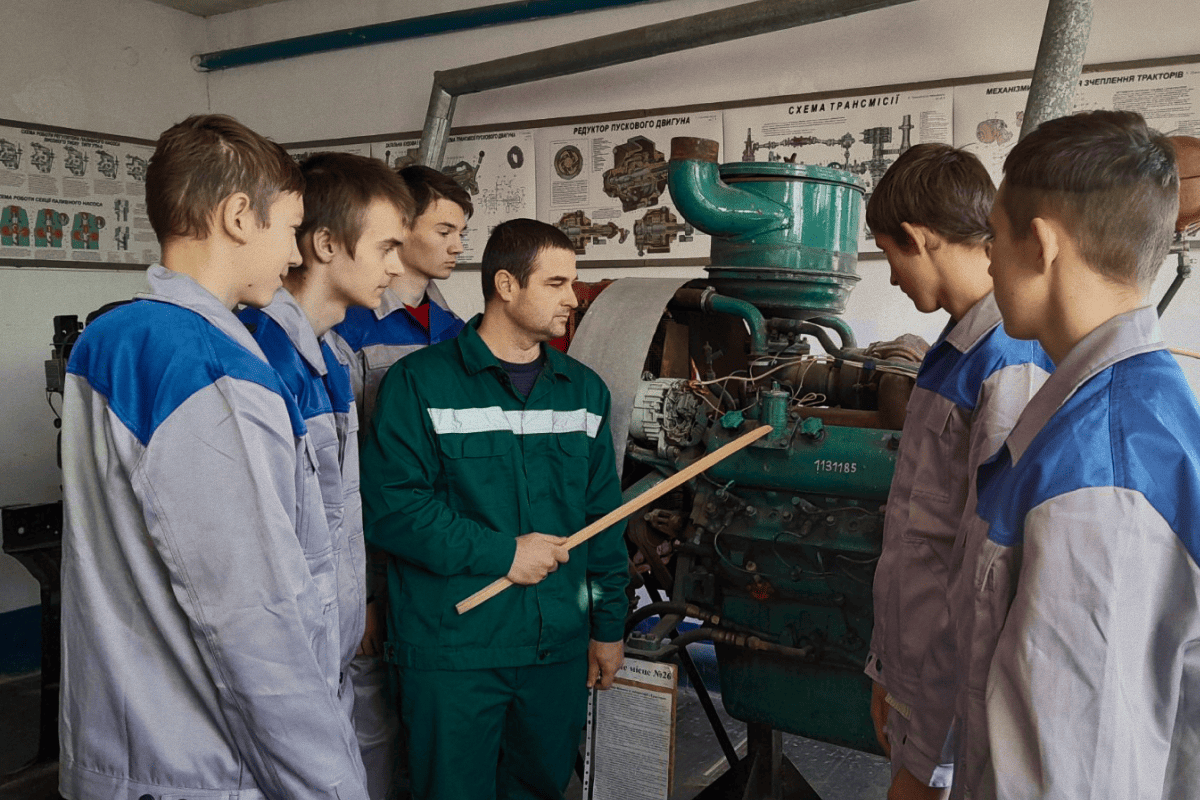
Knowledge and tools to make your institution more independent, financially resilient and effectively managed.
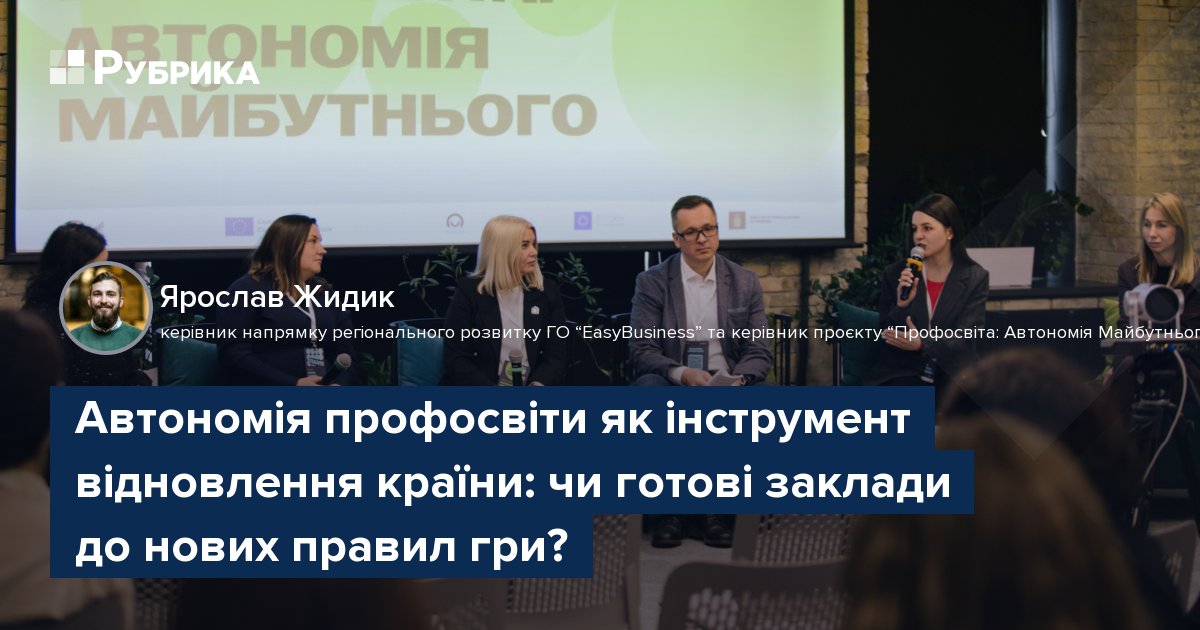
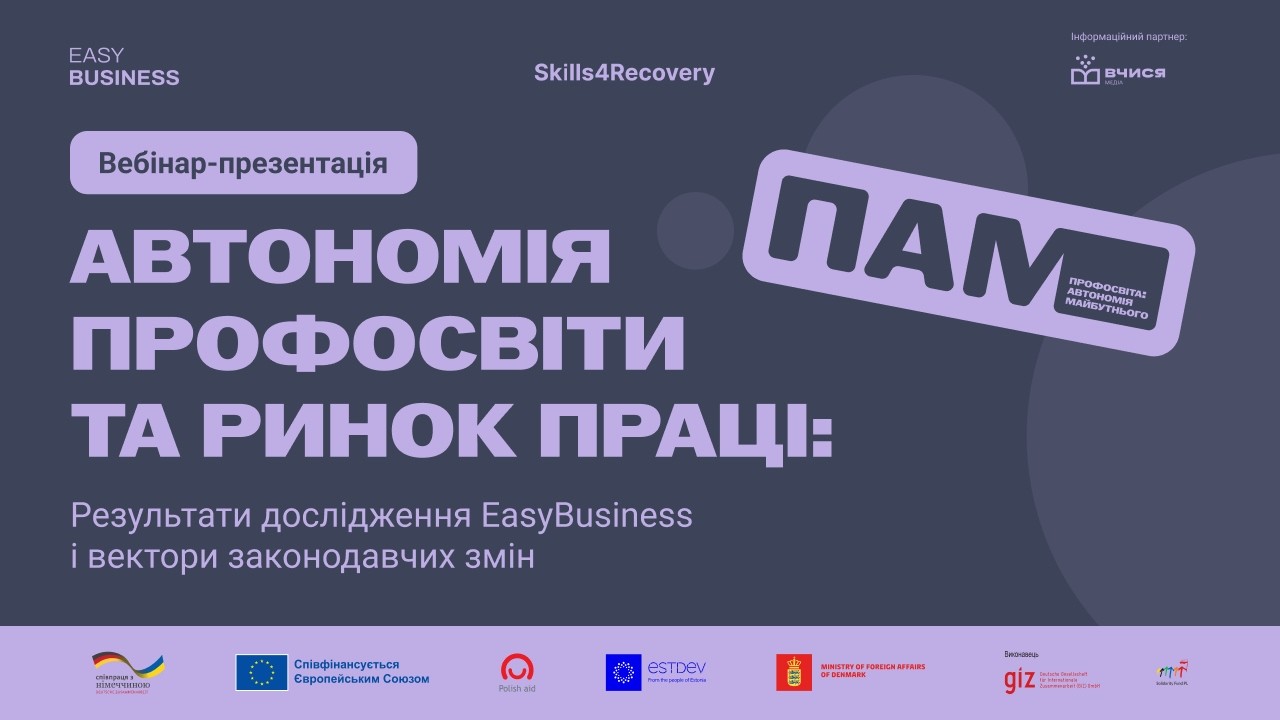
If you are just getting acquainted with the topic — start here. It may seem odd to begin with the project's final event, but it is precisely this event that compactly brings together everything we developed. Watch the recording and the explainer article — and you will get the full picture.
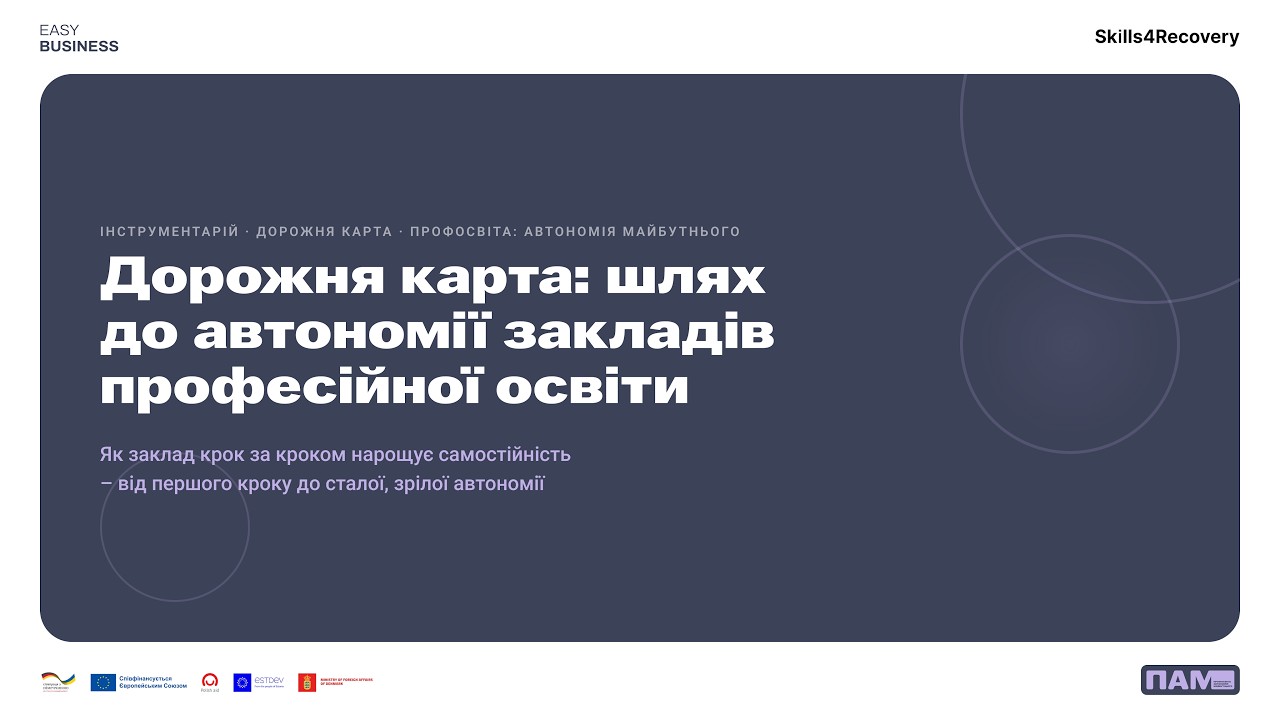
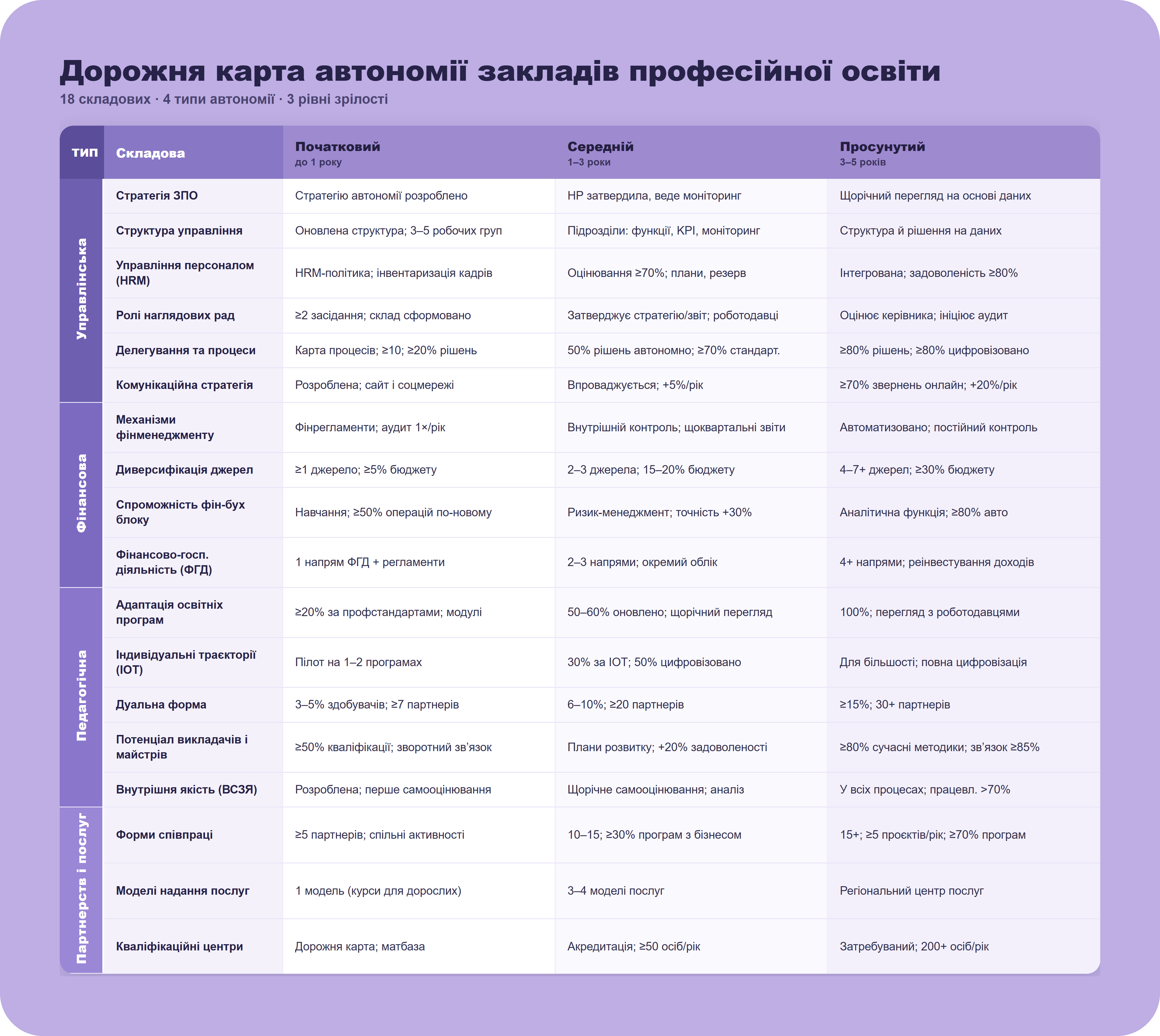
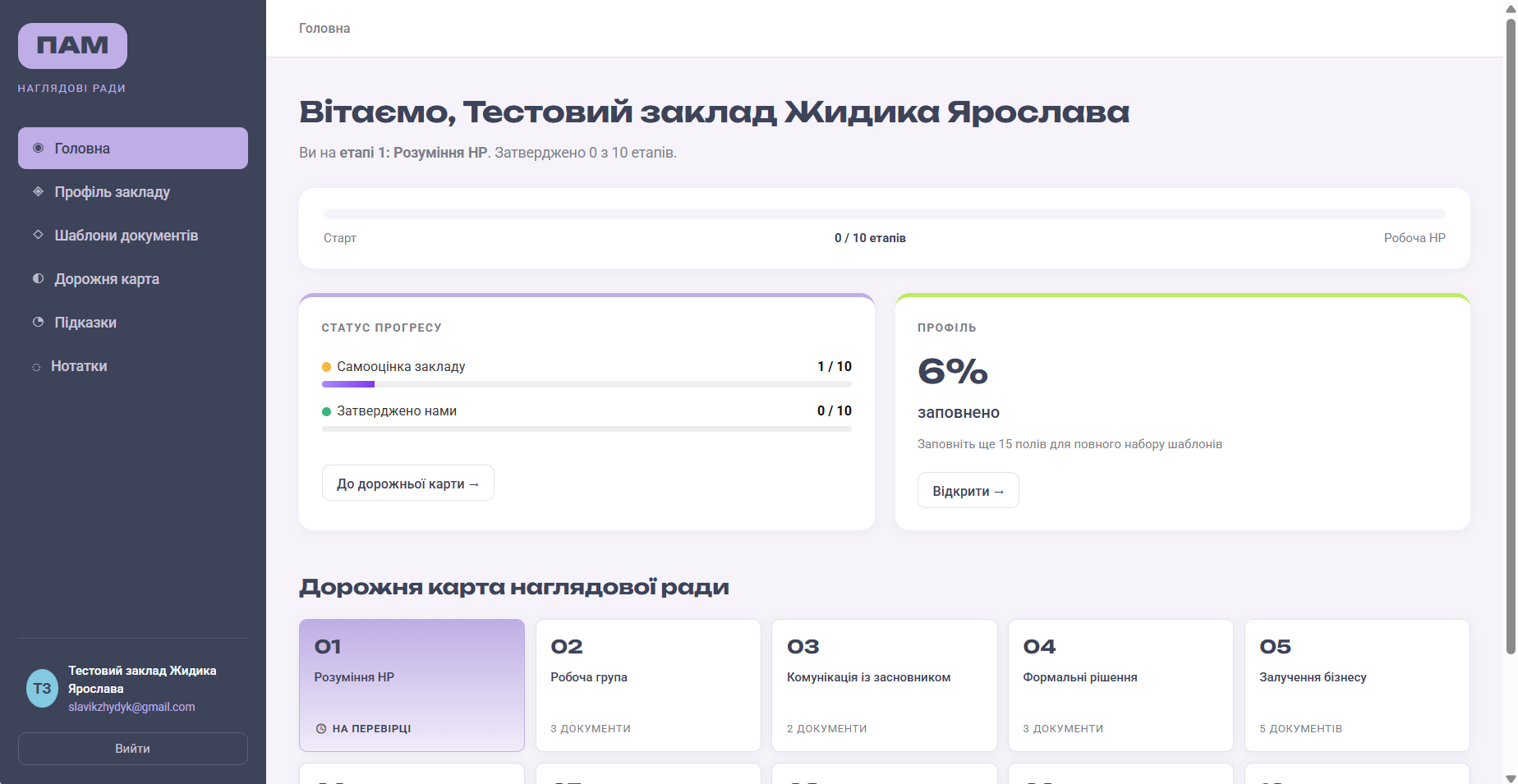
Ready-to-use tools to move from understanding to action. We recommend going in order: first watch the roadmap presentation, then open the toolkit, and then the table you can immediately adapt to your institution.
Want to understand the topic fundamentally? The large analytical report shows the current state of autonomy in Ukraine, how it works in other countries and what is worth taking on board. Alongside it — a video presentation of the report, if you would rather start there.
We gathered the project's entire experience into the course «Autonomy in vocational education institutions»: 12 practical workshops, ~30 hours, real cases and tools. The course is detailed — and participants in our trainings rate it very highly.
As always, substantive and practical — pressing questions of financial autonomy, funding sources and generating additional income for institutions.
Especially valuable was getting acquainted with the experience of cooperation between enterprises and educational institutions. I realised how important it is to combine theoretical knowledge with the real needs of the labour market.
Thanks to looking at SMART goals and the need to choose development through "I want to" rather than "I have to", I gained motivation to plan my further professional-growth trajectory.
I systematised my own knowledge and approaches and discovered new possibilities on the state statistics website — it used to be chaos there.
Practical cases that show how to put theoretical approaches into practice, and tools for implementing change. Systematic, clear, well-structured.
The advice on developing projects and the planning tools that can be applied in one's own work were very useful.
Institutions can set up their own non-commercial enterprises and have diverse sources of funding — I learned about this right here.
Great delivery of the material, important skills for educators, a wonderful atmosphere!
The training itself is a model of high-quality communication. Bravo!
Summaries of the course lectures in article format — arranged in the same sequence as the workshops. Read in order or pick the topic you need.
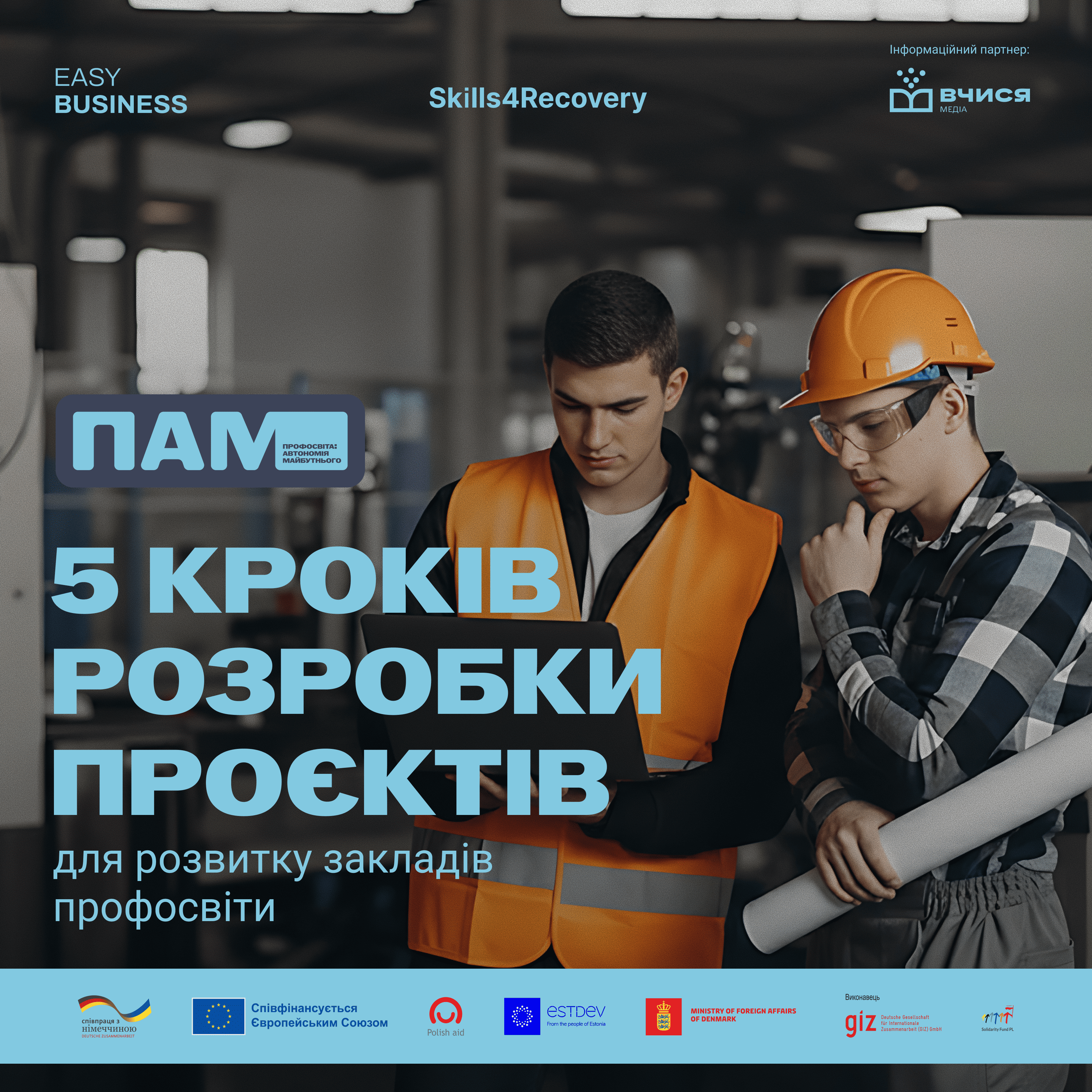
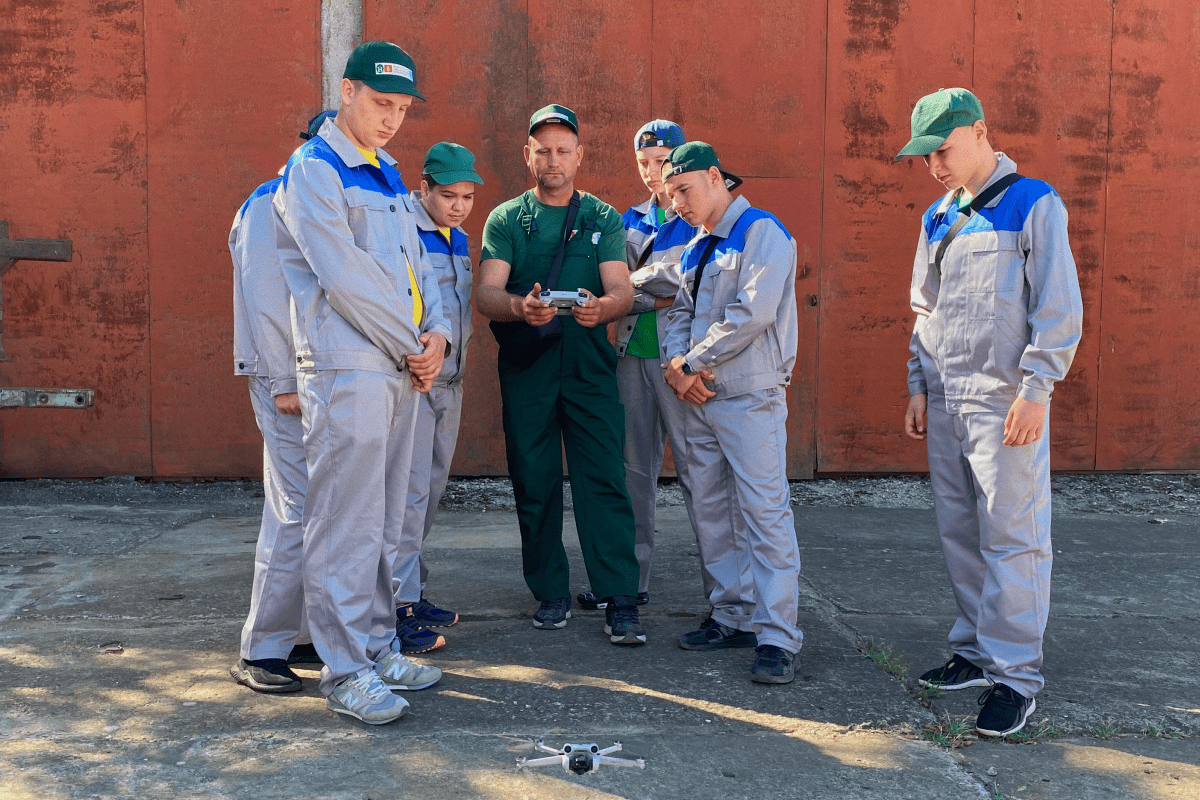






To see what institutions that completed the training and received mentoring support achieve — read their stories and draw inspiration from real examples.
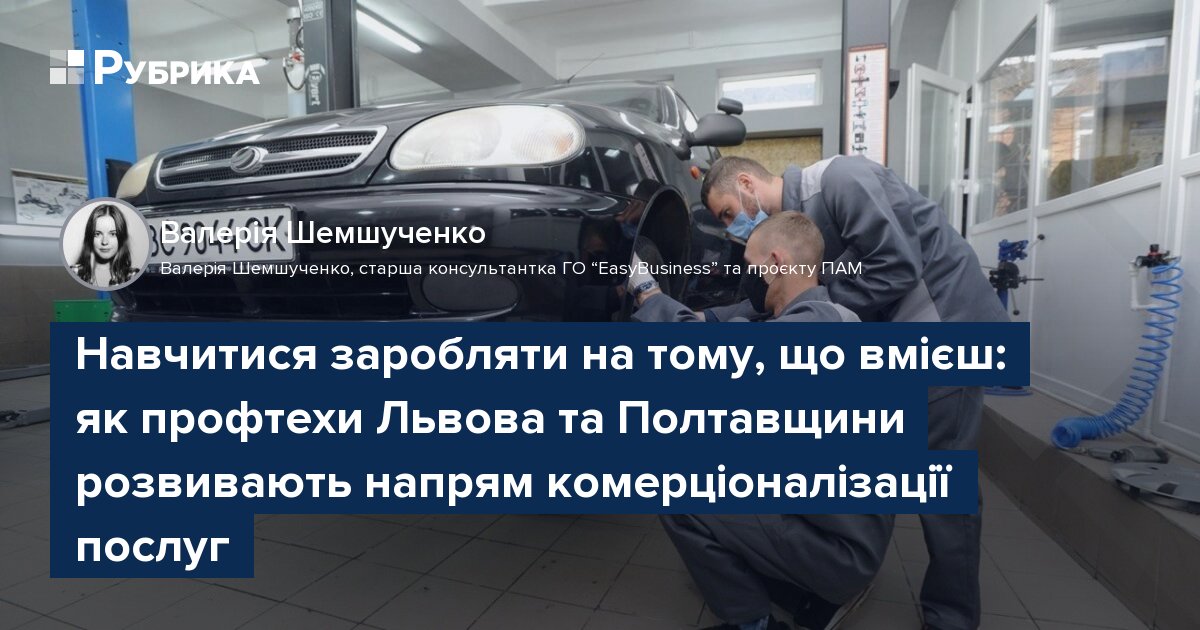
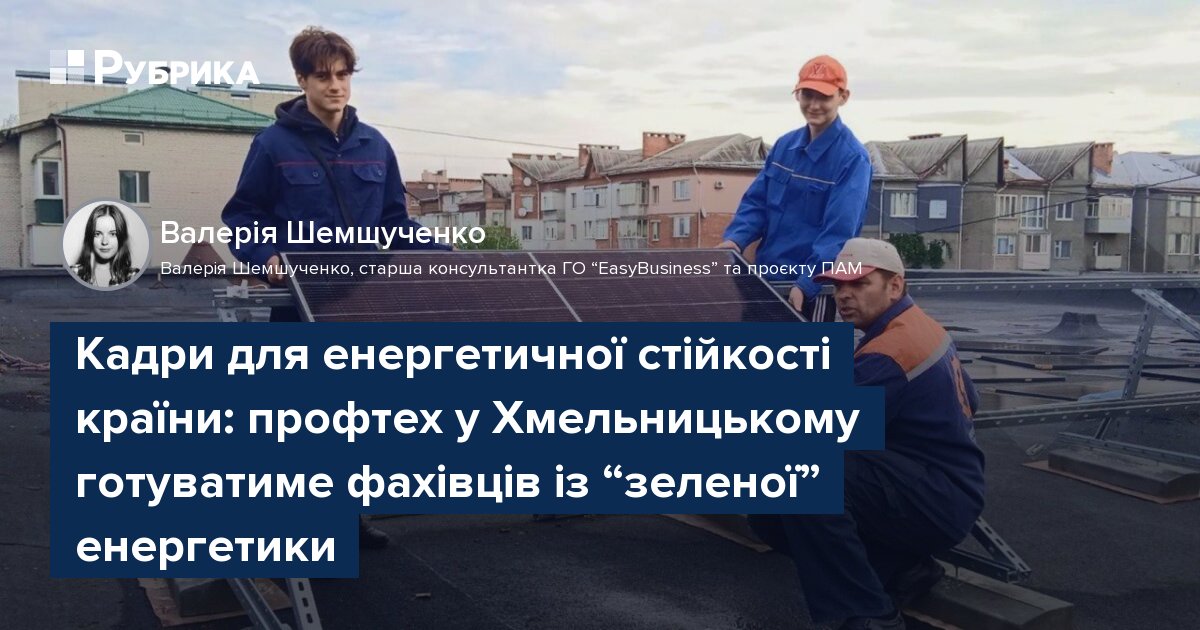
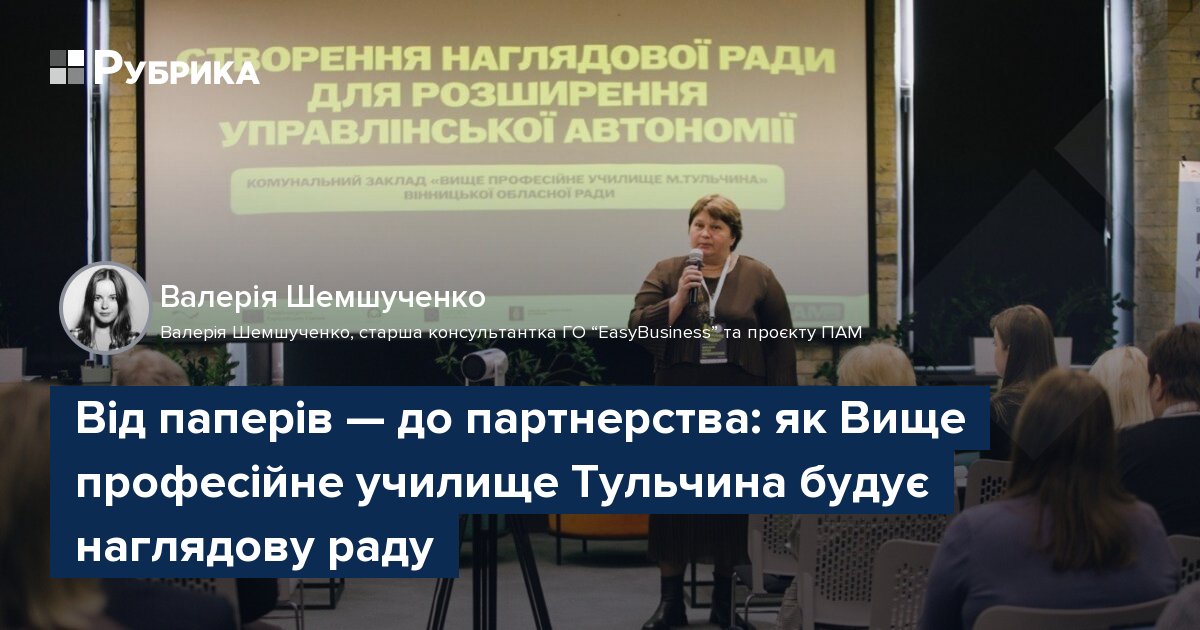
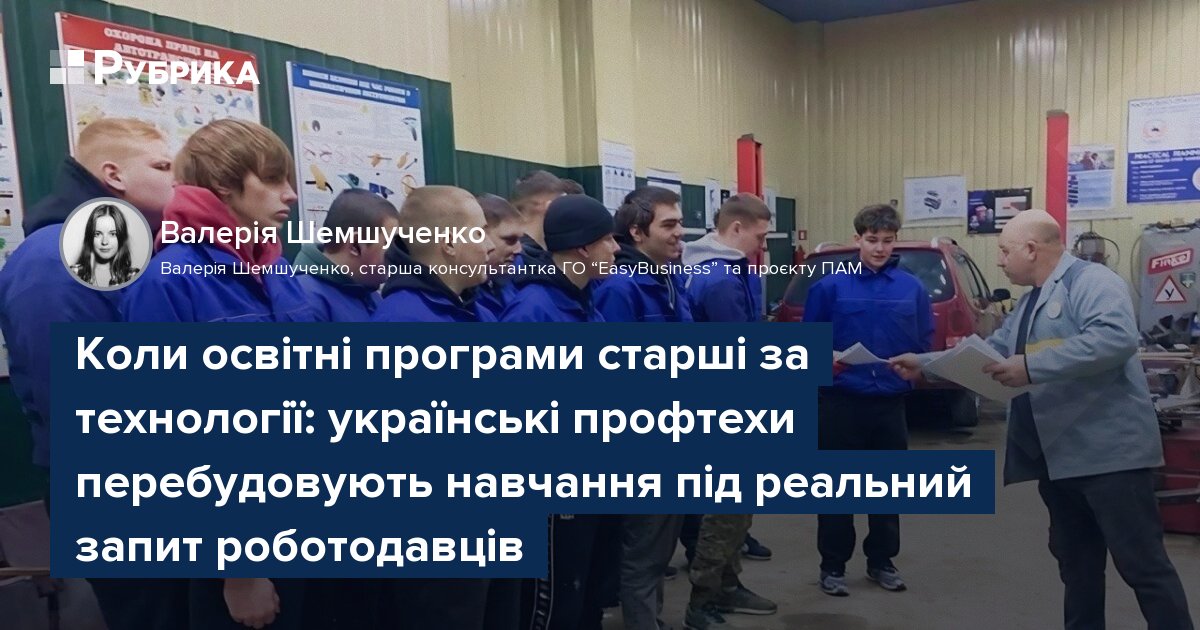
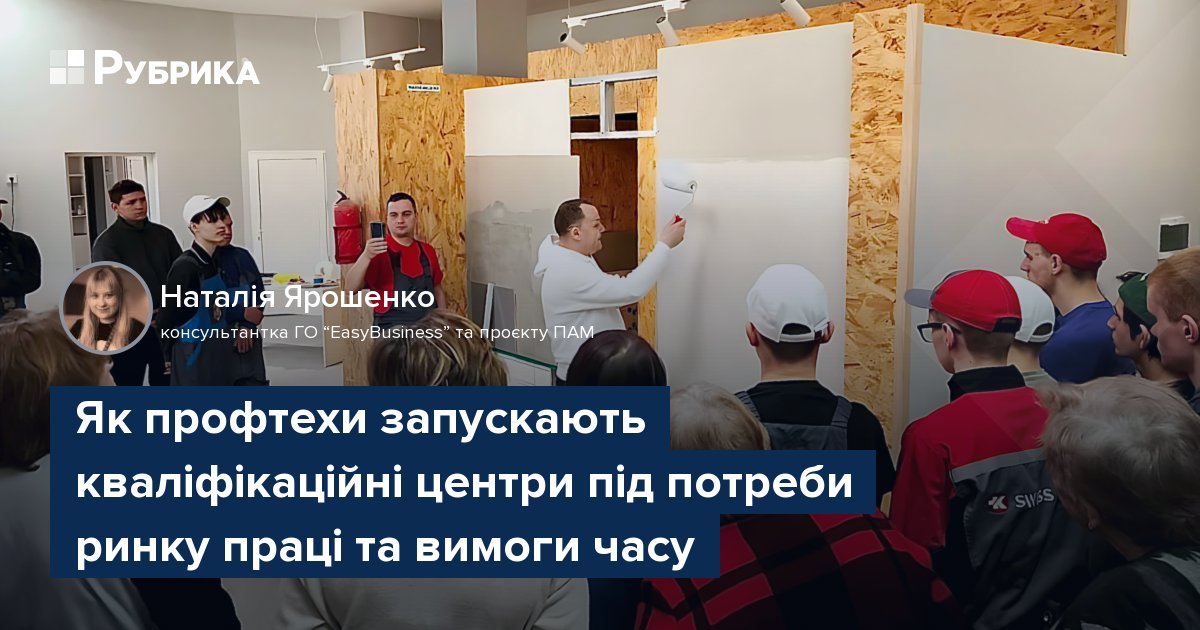

Institutional autonomy works to its full potential only in partnership with business. This part covers how to launch supervisory boards and build sustainable cooperation with employers.
Supervisory boards must be created in every institution. Start with the analytical note — it covers the current state and key barriers, in which you will likely recognise yourself. Next — practical guidance on creating an effective board and a platform that walks you through the whole process.
How to build partnerships with business and make them sustainable. A special focus — case championships as a tool to engage employers and deepen cooperation. Both materials are in preparation.
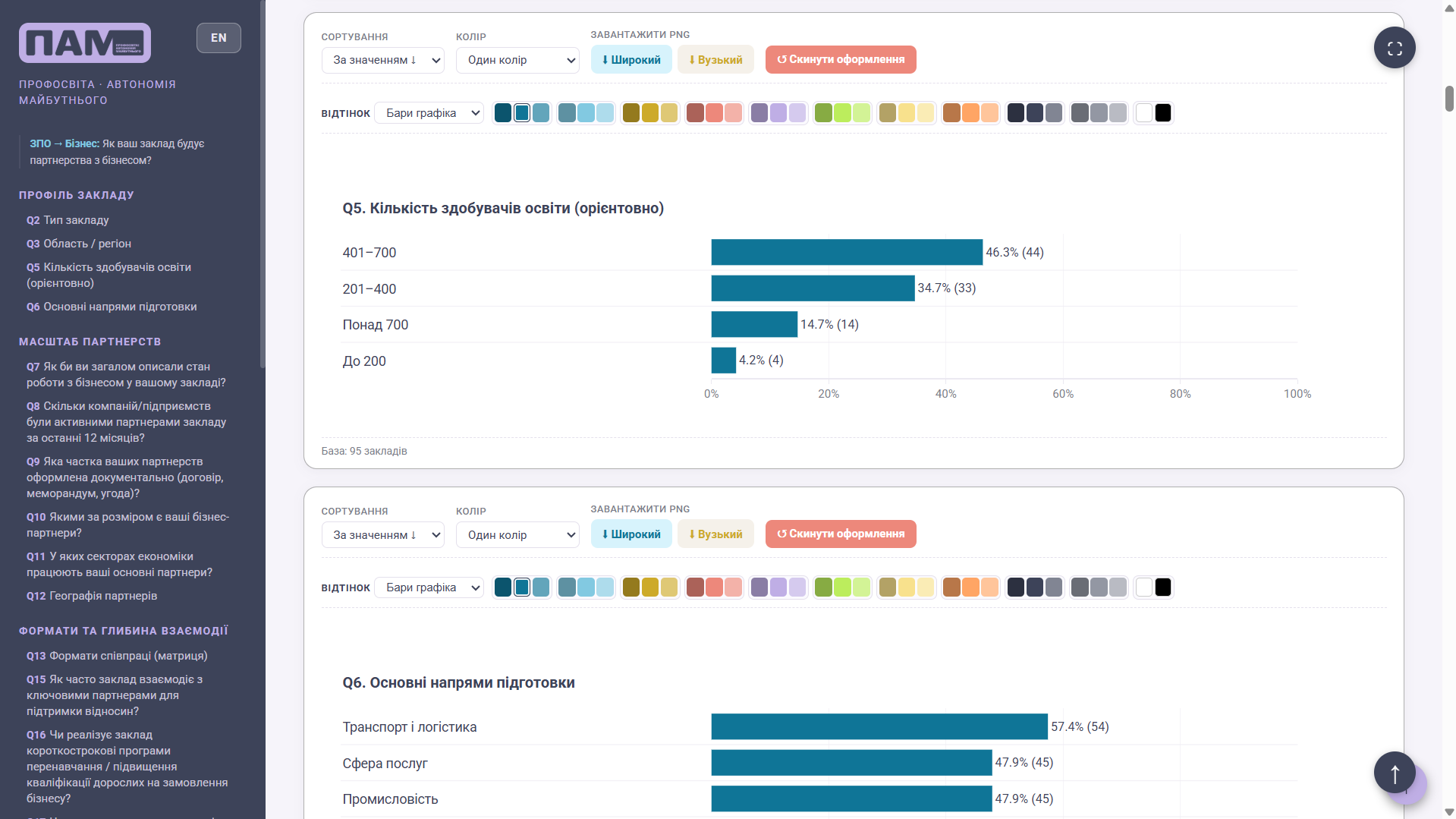
Phase 2 materials draw on a survey of vocational education institutions and businesses. You can explore the data yourself on the interactive dashboard.
We regularly add new tools, articles and announcements. Leave your contacts — and from time to time we'll send you the most useful things for your institution.

Leave your email — and we'll let you know when new tools and articles for your institution appear.